DIY Electrical Safety Tips for Ottawa Homeowners
Understanding the Basics of Electrical Safety
For Ottawa homeowners, embarking on DIY electrical projects can be a cost-effective and rewarding experience. However, it's essential to prioritize safety to prevent accidents and ensure your home remains secure. Start by familiarizing yourself with the basics of electrical safety. Understanding how electricity works and recognizing potential hazards can significantly reduce the risks involved.
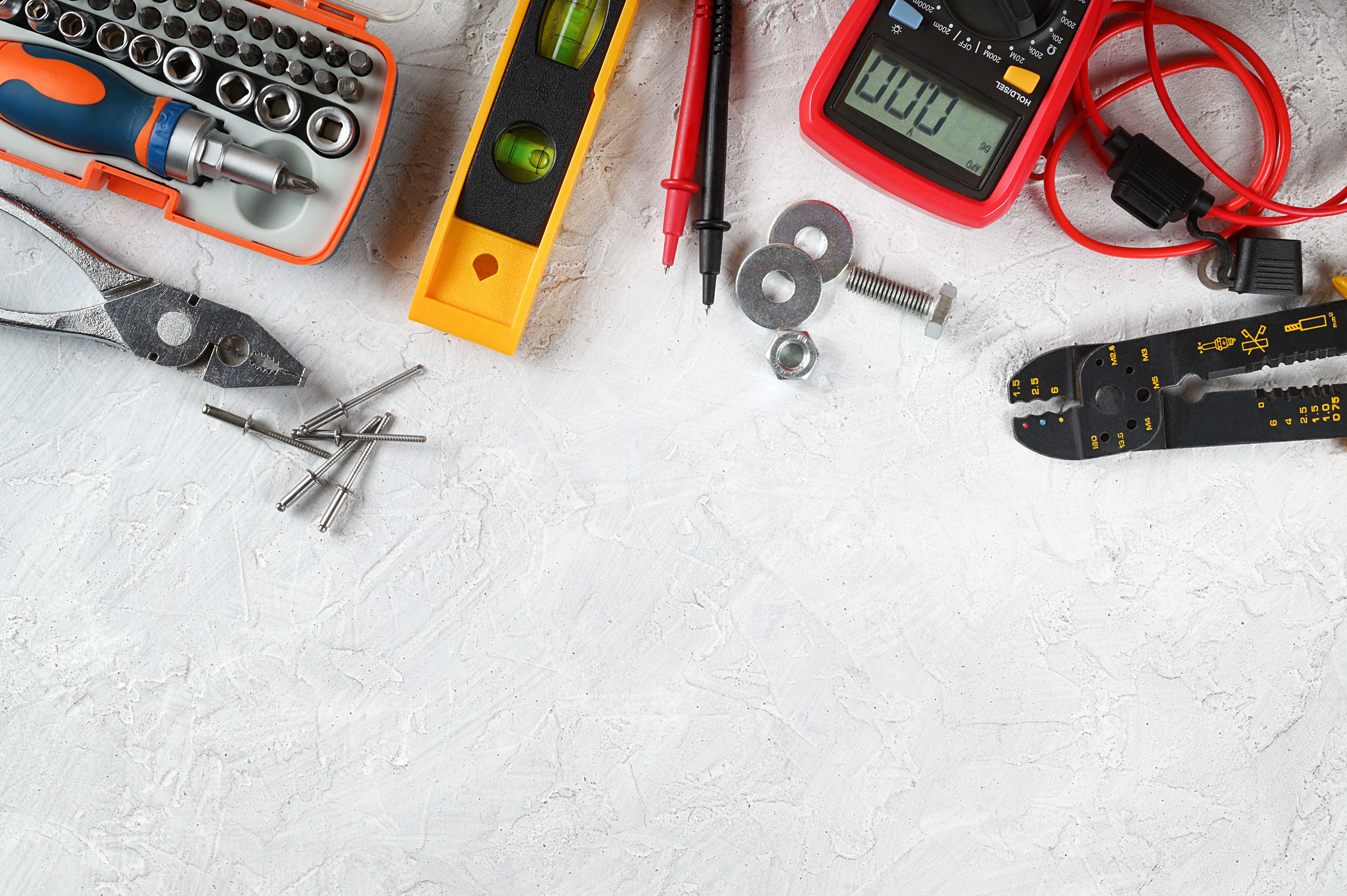
Always ensure that your tools and equipment are in good condition. Damaged or faulty tools can lead to accidents, so inspect them regularly and replace anything that appears worn or broken. Additionally, knowing the location of your home's circuit breakers and how to operate them is crucial. This knowledge can help you quickly cut off power in an emergency.
Preparing for Your DIY Project
Before you begin any electrical project, take the time to plan and prepare. Start by clearly defining the scope of your project and gathering all necessary materials. Ensure you have a comprehensive understanding of the task at hand, and do not hesitate to consult online resources or DIY guides for additional insights.
Make safety your priority by wearing appropriate protective gear. This includes insulated gloves, safety goggles, and rubber-soled shoes. These items can protect you from potential electrical shocks and other injuries. Additionally, ensure your workspace is dry and clean to avoid any unforeseen accidents.

Shutting Off Power
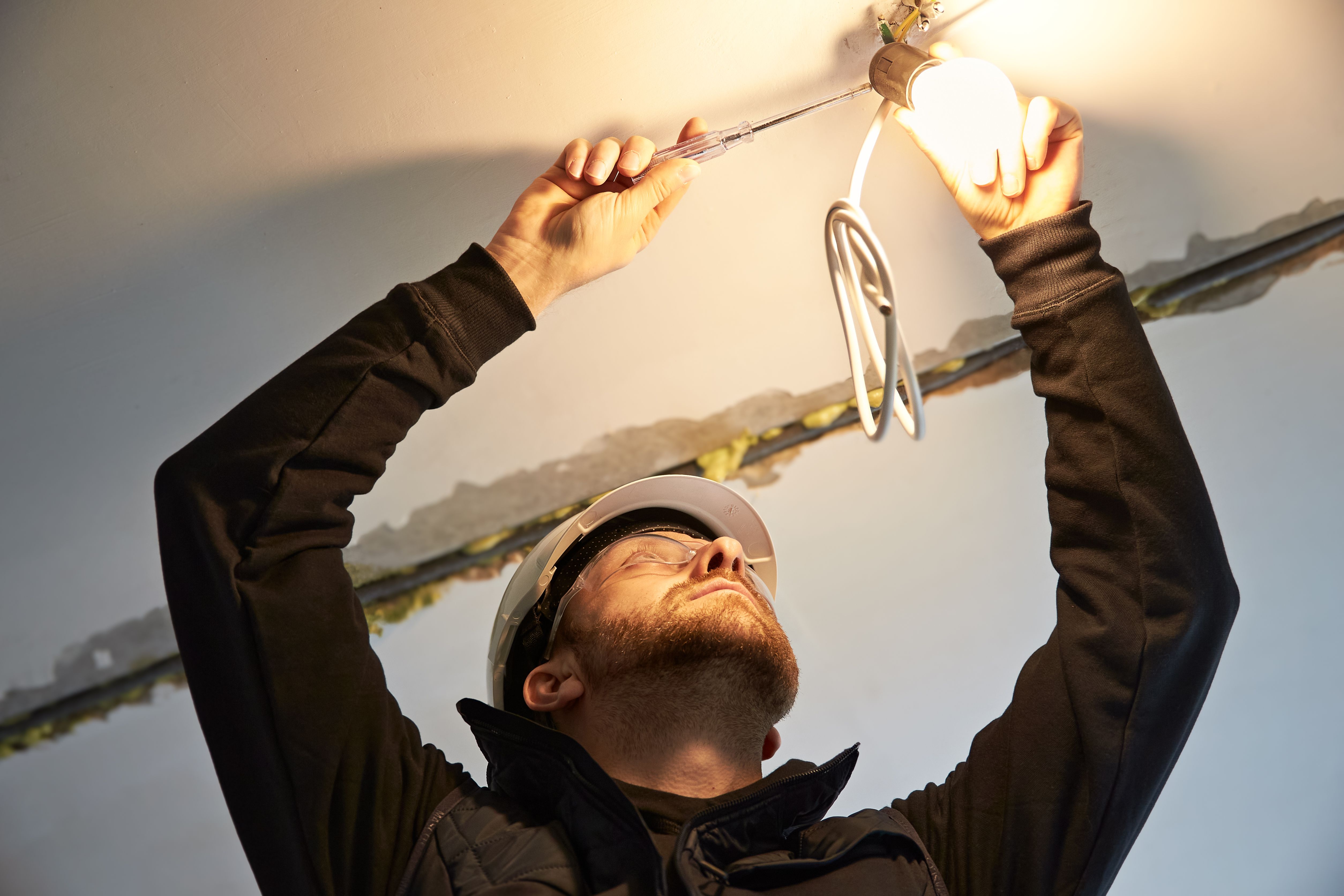
One of the most critical steps in any electrical DIY project is shutting off the power. Locate your main electrical panel and turn off the power to the area you’ll be working on. This simple step can prevent electric shocks and other dangerous incidents. It’s also wise to use a voltage tester to confirm that the power is indeed off before proceeding.
Working with Wires
Handling electrical wires requires care and precision. Begin by ensuring that all wires are properly insulated. Exposed wires can be hazardous and should be covered with electrical tape. When connecting wires, make sure they are securely fastened and double-check all connections to prevent any short circuits.
It’s also important to use the correct wire gauge for your project. Using the wrong size can lead to overheating and potential fire hazards. If you’re uncertain about the right gauge, consult a professional or refer to an electrical code guide to ensure compliance with safety standards.

Testing Your Work
Once you’ve completed your project, testing your work is essential to ensure everything is functioning correctly. Use a multimeter to check for proper voltage and continuity. This step will help you identify any issues before they become problematic.
If any part of your project doesn’t work as expected, do not attempt to fix it without proper knowledge. Instead, consider consulting a professional electrician. It’s always better to be safe than sorry, and professional guidance can prevent costly mistakes.
When to Call a Professional
While DIY projects can be fulfilling, some tasks are best left to the experts. If you encounter complex issues or feel unsure about any aspect of your project, it’s wise to call a professional electrician. They have the expertise to handle complicated electrical systems safely and effectively.
Remember, your safety and the integrity of your home are paramount. Don’t hesitate to invest in professional help when needed. By balancing DIY efforts with professional assistance, you can ensure your home remains safe and efficient.