DIY Electrical Safety Tips: What You Can Do Before Calling a Professional
Understanding Basic Electrical Safety
Before diving into any DIY electrical project, it’s crucial to understand the fundamentals of electrical safety. Electricity is powerful and can be dangerous if not handled correctly. Ensuring that you are operating safely is the first step in any project.
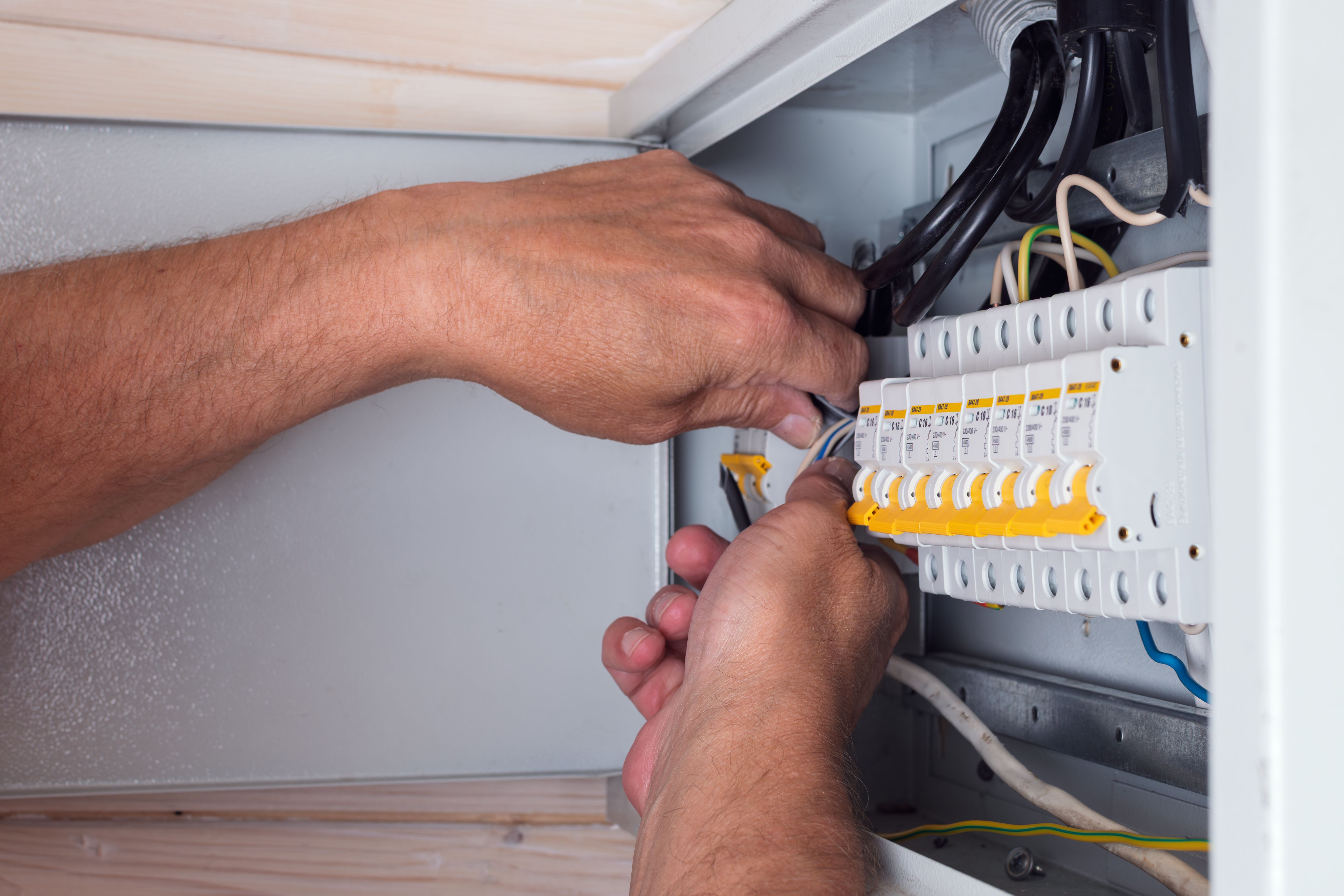
Always turn off the power before starting any work. Locate your main electrical panel and switch off the circuit breaker that powers the area you’ll be working on. Double-check with a voltage tester to confirm that the power is off before proceeding.
Essential Tools for DIY Electrical Work
Having the right tools is vital for any DIY electrical task. Some essential tools include insulated screwdrivers, wire strippers, and a multimeter. These tools not only make the job easier but also help in maintaining safety.
Investing in a quality voltage tester is particularly important. This tool allows you to verify that circuits are not live, reducing the risk of electric shock. Always ensure your tools are in good condition and free from damage.
Inspecting Cords and Outlets
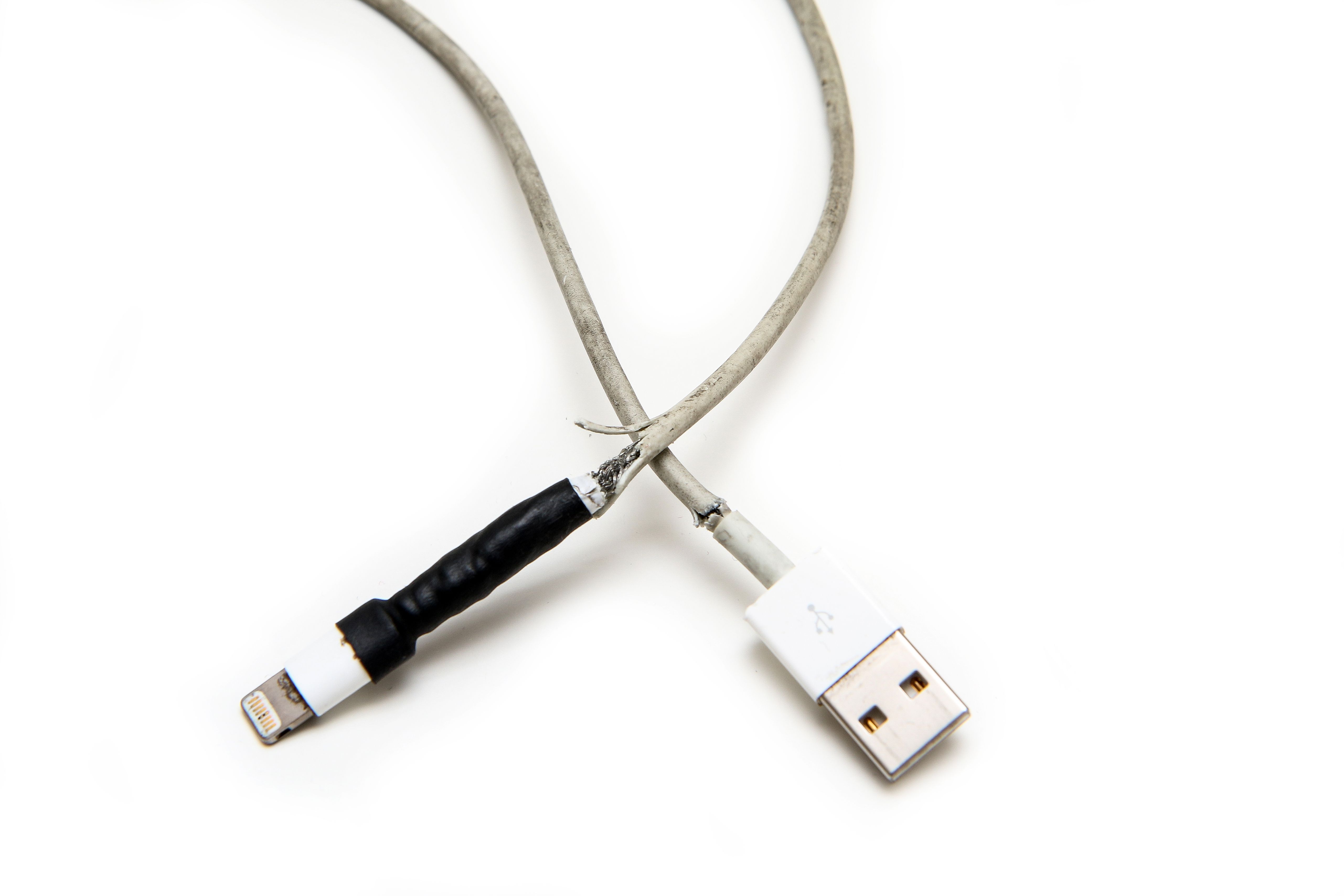
Before beginning your project, inspect all electrical cords and outlets for wear and tear. Look for frayed wires, cracked insulation, or loose connections, as these are signs of potential hazards.
If you find any damage, replace or repair the faulty components before proceeding. Using damaged cords or outlets can lead to short circuits or electrical fires.
Proper Grounding
Ensure that all your electrical systems are properly grounded. Grounding provides a path for excess electricity to safely exit the system, reducing the risk of electric shock.
Check that your outlets are three-pronged and connected to a grounded wire. If unsure, consult a professional to confirm that your grounding is up to code.
Working Safely with Circuit Breakers
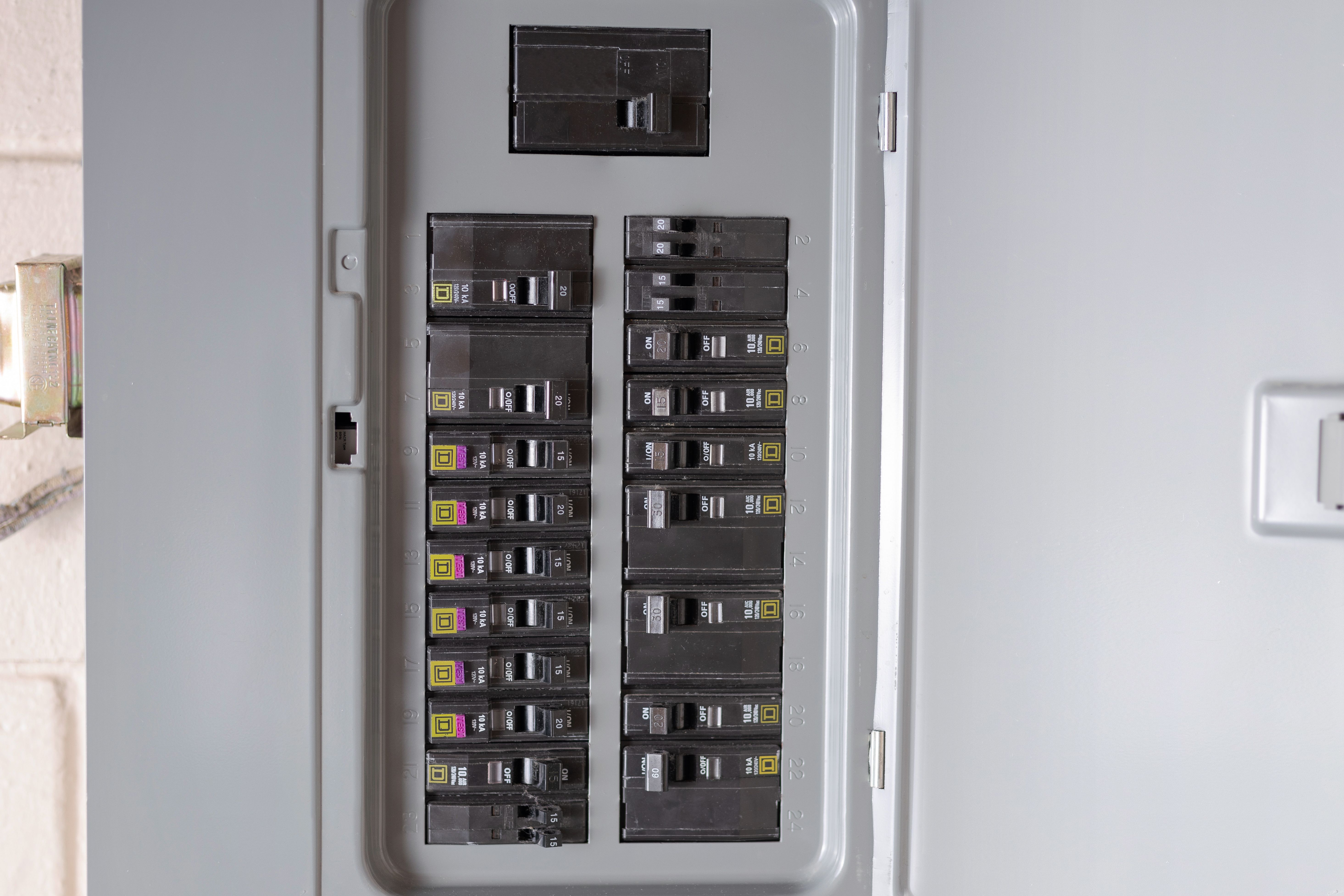
When working with circuit breakers, ensure you understand their layout and function. Label each breaker clearly to avoid confusion during future electrical work.
Test your circuit breakers regularly to make sure they’re functioning correctly. If a breaker trips frequently, it may indicate an underlying issue that requires professional attention.
DIY Projects You Can Tackle
There are several DIY electrical projects you can safely tackle with proper precautions. These include replacing light fixtures, installing new outlets, or adding dimmer switches. For each task, ensure you follow all safety guidelines.
Always consult the manufacturer's instructions and double-check all connections. If at any point you feel unsure, it’s best to call a professional.
Knowing When to Call a Professional
While many electrical tasks can be handled by a DIY enthusiast, knowing when to call in a professional is crucial. Complex issues like rewiring or working on the main electrical panel should always be left to the experts.
Attempting complicated tasks without the necessary expertise can lead to severe injury or damage. When in doubt, prioritize safety and hire a qualified electrician.