Case Study: Successful Electrical Upgrades in an Ottawa Heritage Home
Introduction
Undertaking electrical upgrades in a heritage home presents unique challenges and opportunities. In Ottawa, where historical residences are cherished, modernizing these homes while preserving their character requires a careful blend of innovation and respect for tradition.
This case study explores a successful electrical upgrade in an Ottawa heritage home, highlighting the strategies used to overcome common obstacles and achieve a seamless integration of old and new.
Understanding the Challenges
Heritage homes often come with outdated electrical systems that can pose safety hazards and inefficiencies. Common issues include:
- Outdated wiring that cannot handle modern electrical loads
- Lack of grounding and circuit breakers
- Limited electrical outlets in key areas
Addressing these issues requires a meticulous approach to ensure that the home's historical integrity is not compromised.
Planning and Strategy
A comprehensive plan was developed in collaboration with architects, electricians, and conservation specialists. Key elements of the strategy included:
- Conducting a thorough assessment of the existing electrical system
- Designing a wiring plan that meets modern standards
- Incorporating energy-efficient solutions

Implementation
The implementation phase focused on maintaining the home's aesthetic appeal while upgrading its functionality. This involved:
- Carefully removing old wiring without damaging the structure
- Installing new, concealed wiring to preserve the home's appearance
- Adding additional outlets and switches in a discreet manner
Special attention was given to the selection of fixtures and materials that matched the period style of the home.
Energy Efficiency and Sustainability
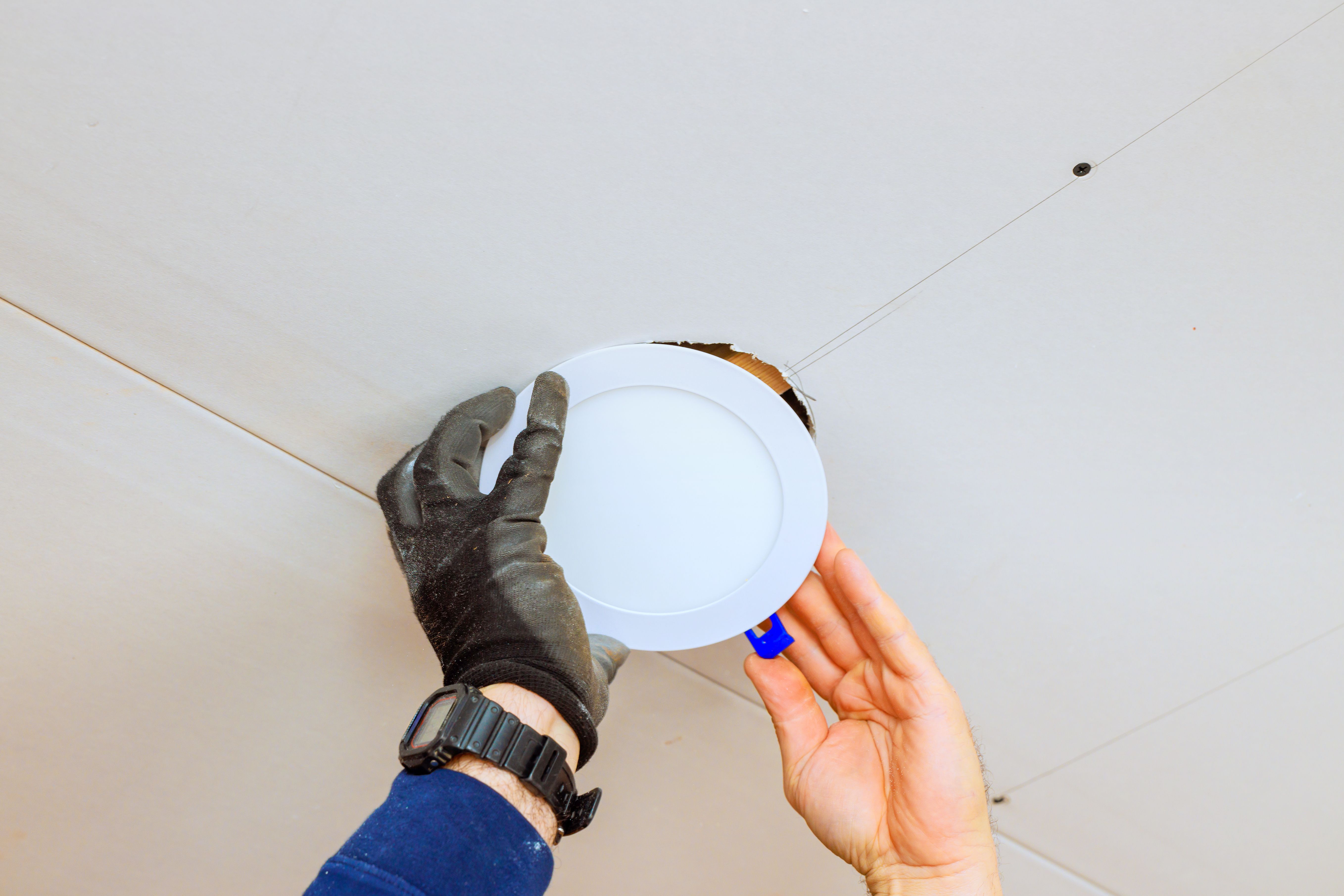
Incorporating energy-efficient solutions was a priority. The team utilized:
- LED lighting to reduce energy consumption
- Smart home technology to enhance control and efficiency
- Solar panels discreetly placed to support sustainable energy use
Preserving Historical Integrity
A critical aspect of the project was ensuring that all upgrades respected the home's historical significance. This involved:
- Using materials that reflected the original design
- Engaging with local heritage authorities for guidance
- Documenting all changes for future reference
The result was a home that retained its charm while offering a safe, modern living environment.
Community Impact and Reception
The successful completion of this project was met with positive feedback from both the homeowners and the local community. The project demonstrated that:
- Heritage homes can be adapted to meet contemporary needs
- Modern technology can coexist with historical architecture
- Thoughtful planning can enhance both safety and aesthetics

Conclusion
This case study underscores the potential for successful electrical upgrades in heritage homes. By embracing both innovation and tradition, homeowners can enjoy the benefits of modern living while preserving the unique character of their historical residences. The Ottawa project serves as a model for similar initiatives, showcasing the art of harmonizing the past with the present.